

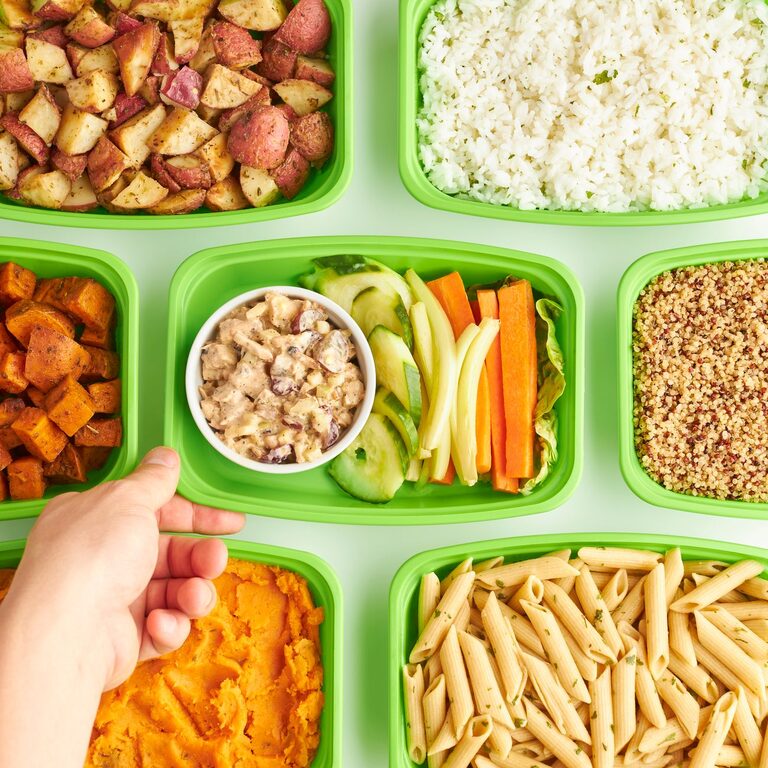
Creating a weekly meal plan is a smart way to simplify your cooking routine, save money, and eat healthier. If you often find yourself wondering what to cook each day or resorting to takeout, a meal plan can make your week run smoother. This guide will walk you through easy steps to create a simple weekly meal plan that fits your lifestyle.
Why Create a Weekly Meal Plan?
Planning your meals ahead of time brings several benefits:
– Saves Time: Knowing what you’ll cook each day helps streamline grocery shopping and cooking.
– Reduces Stress: No more last-minute decisions about meals.
– Supports Healthy Eating: Planning helps you include balanced meals with veggies, proteins, and grains.
– Cuts Food Waste: Buying only what you need prevents spoiled ingredients.
– Saves Money: Avoid impulsive purchases and dining out.
Step 1: Assess Your Week
Before you start planning meals, look at your schedule. Consider:
– How many meals do you need to prepare? (breakfast, lunch, dinner)
– Are there any days with limited time for cooking?
– Do you have any social events or dining plans?
– Will you need leftovers for lunches or quick dinners?
Knowing this helps you decide how many meals to plan and when to keep things simple.
Step 2: Choose Your Meals
Focus on Simple and Flexible Recipes
Start with meals you enjoy and can prepare easily. Pick recipes that:
– Use common ingredients
– Are versatile (can be adjusted based on what you have)
– Include a mix of proteins, vegetables, and grains
Sample Meal Ideas
– Breakfast: Overnight oats, smoothies, scrambled eggs with veggies
– Lunch: Grain bowls with roasted veggies, sandwiches, salads with protein
– Dinner: Stir-fries, pasta with sauce and veggies, baked chicken with sides
Plan for Leftovers
Make extra portions of some dinners so you can pack leftovers for lunch or dinner the next day. This reduces cooking time on busy days.
Step 3: Create a Meal Calendar
Now, write down your meals for each day of the week. Use a simple calendar format:
| Day | Breakfast | Lunch | Dinner |
|———–|——————|———————|———————|
| Monday | Smoothie | Salad with chicken | Stir-fry with rice |
| Tuesday | Oatmeal | Leftover stir-fry | Pasta with tomato sauce |
| Wednesday | Scrambled eggs | Sandwich | Baked salmon & veggies |
| … | … | … | … |
You can use a paper planner, a digital calendar app, or a meal planning tool online.
Step 4: Make a Grocery List
Review your meal calendar and write down all the ingredients you need. Organize your list by category to make shopping easier—for example:
– Produce: spinach, tomatoes, bell peppers
– Proteins: chicken breasts, eggs, canned beans
– Grains: rice, pasta, bread
– Dairy: milk, cheese, yogurt
– Pantry staples: olive oil, spices, canned tomatoes
Check your kitchen before shopping to avoid buying duplicates. This also helps save money.
Step 5: Shop Smart
When grocery shopping:
– Stick to your list to avoid impulse buys.
– Choose fresh, seasonal produce for better flavor and cost savings.
– Consider buying in bulk for staples you use often.
– Look for sales or discounts if it fits your plan.
Step 6: Prep Ahead When Possible
To make cooking during the week easier, prep some ingredients or meals in advance:
– Wash and chop vegetables.
– Cook grains like rice or quinoa.
– Portion snacks, such as nuts or cut fruit.
– Prepare a batch of sauce or soup.
Spending 30-60 minutes on prep can save time during busy days.
Step 7: Stay Flexible and Adjust
Your meal plan is a guide, not a strict rulebook. Some days you might want to switch meals or eat out. That’s okay! The goal is to reduce stress and organize your cooking.
At the end of each week, reflect on what worked, what didn’t, and update your plan accordingly.
Tips for Success
– Keep breakfast simple: Choose 2-3 options you can rotate.
– Use leftovers creatively: Turn last night’s roast chicken into a sandwich or salad.
– Batch cook: Prepare meals that freeze well for future weeks.
– Include family: Get input on favorite meals to increase enjoyment.
– Try theme nights: For example, Meatless Monday or Taco Tuesday to simplify choices.
Conclusion
Creating a simple weekly meal plan is a powerful way to enjoy home-cooked meals without the daily hassle of deciding what to eat. By assessing your schedule, choosing easy recipes, organizing your shopping, and prepping ahead, you can save time, reduce stress, and eat healthier. Start small, stay flexible, and soon meal planning will become a natural and rewarding part of your routine. Happy cooking!